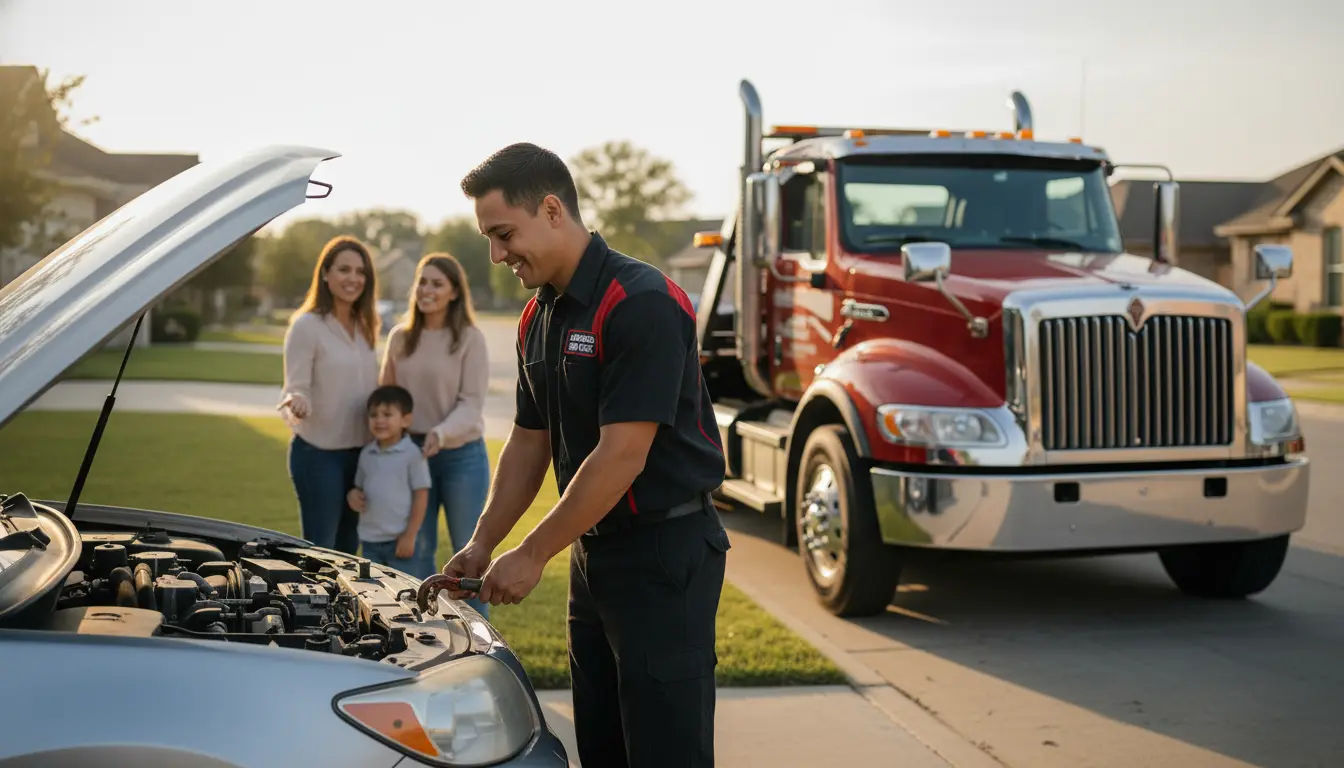
Stranded in a parking lot near Tanger Outlets with a car that won’t start can be a frustrating experience, especially when you’re in a hurry to get back on the road. To understand the best course of action, it’s essential to define what constitutes a non-starting vehicle in such a context. A car that won’t start in a parking lot refers to a situation where your vehicle fails to initiate its engine despite attempting to start it, often due to issues like a dead battery, faulty ignition, or empty gas tank. This scenario is distinct from a car that won’t move, which might be due to issues like a faulty transmission or brake problems.
The distinction is crucial because the approach to resolving the issue differs significantly based on the underlying cause. For instance, if your car won’t start due to a dead battery, the solution might involve jump-starting the vehicle or replacing the battery. On the other hand, if the car won’t move, it could require more complex repairs or even towing to a mechanic. Understanding the difference helps in applying the appropriate troubleshooting and repair strategies.
In San Marcos, TX, where traffic along the I-35 corridor and dense student housing areas near Texas State University can complicate vehicle recovery, professional and rapid-response towing services are indispensable. San Marcos Towing Service stands out as a premier provider of towing and recovery solutions, equipped to handle a variety of vehicle issues, including those that occur in parking lots near popular outlets like Tanger Outlets.
Technical Process of Towing and Recovery
When a car won’t start in a parking lot, the technical process of towing and recovery involves several critical steps. First, there’s the dispatch triage, where the towing service assesses the situation to determine the best approach for recovery. This is followed by a scene safety assessment to ensure the recovery process does not pose a risk to the vehicle, its occupants, or other road users. The load calculation is then performed to select the appropriate towing equipment, considering factors like the vehicle’s weight and size.
The actual recovery process may involve rigging or hooking up the vehicle to the tow truck, using tools like hydraulic flatbeds, nylon V-straps, or J-hooks, depending on the vehicle type and the nature of the issue. The choice of equipment is crucial to protect the vehicle’s drivetrain and ensure safe transport. For instance, understanding the right questions to ask your tow truck service can make a significant difference in the quality of service you receive.
Local variables, such as the condition of the parking lot and the availability of space to maneuver the tow truck, also play a significant role in determining the recovery method. In areas like San Marcos, where the mix of urban and rural landscapes can affect towing operations, the experience and adaptability of the towing service are invaluable.
Data Comparison for Towing Methods
Choosing the right towing method is crucial for the safety of the vehicle and the efficiency of the recovery process. Two common methods are Flatbed Towing and Wheel-Lift Towing. The decision between these methods depends on several factors, including the type of vehicle, the nature of the issue, and the desired level of protection for the vehicle’s drivetrain.
| Feature/Metric | Flatbed Towing | Wheel-Lift Towing |
|---|---|---|
| Drivetrain Protection | High | Medium |
| Ideal Vehicle Type | All-wheel drive, low clearance vehicles | Rear-wheel drive, high clearance vehicles |
| Clearance Requirements | Low | Medium to High |
Source: Towing and Recovery Association of America (TRAA) Vehicle Recovery Guide
Expert Insights for Vehicle Recovery
Professional towing and recovery involve more than just technical skills; it also requires an understanding of safety protocols and the ability to troubleshoot issues efficiently. For motorists stranded in a parking lot, recognizing the signs that indicate a vehicle needs immediate towing help can prevent further damage or safety risks.
Expert tips include knowing what to do while waiting for towing assistance, such as moving to a safe location if possible and engaging hazard lights to increase visibility. Additionally, understanding how to communicate effectively with the towing service, such as providing detailed information about the vehicle’s location and condition, can expedite the recovery process.
Common mistakes, such as attempting DIY repairs without proper equipment or knowledge, can lead to more severe problems, including damage to the vehicle or injury to oneself or others. Following the right procedures after a car accident, including seeking professional towing and recovery services when necessary, is crucial for minimizing risks and ensuring a smooth recovery process.
Pricing for Towing Services
The cost of towing services can vary widely based on several factors, including the type of towing required, the distance to be towed, and the time of day. Base hook-up fees, per-mile transport rates, and fixed rates for specific services like jump-starts and tire changes are common pricing structures. Factors that influence cost include the need for off-road winching or recovery, the use of heavy-duty versus light-duty towing equipment, and whether the service is required during after-hours or involves special handling for exotic or low-clearance vehicles.
- Base hook-up fees can range from $50 to $100
- Per-mile transport rates typically range from $2 to $5 per mile
- Fixed rates for jump-starts can be between $50 to $100
Safety and Standards in Towing
Safety is paramount in the towing and recovery industry, and adherence to strict safety protocols and standards is essential. San Marcos Towing Service is committed to upholding the highest safety standards, including those set by the TRAA and the Department of Transportation (DOT). This commitment is reflected in the use of high-visibility personal protective equipment (PPE), proper traffic control measures at accident scenes, and rigorous training for all personnel.
The importance of these protocols cannot be overstated, particularly in preventing secondary collisions on high-speed highways like I-35 and ensuring zero-damage transport of vehicles. By choosing a towing service that prioritizes safety and adheres to industry standards, motorists can minimize risks and ensure their vehicles are handled with care.
Frequently Asked Questions
What should I do if my car won’t start in a parking lot?
If your car won’t start in a parking lot, the first step is to ensure you are in a safe location. If you are in a vulnerable spot, consider moving to a safer area if possible. Next, try to diagnose the issue; if it’s a dead battery, you might need a jump-start. If the issue persists, it’s best to call a professional towing service for assistance. Jump-start services can often resolve the issue quickly.
How do I choose the right towing service?
Choosing the right towing service involves considering several factors, including the service’s reputation, their experience with vehicles like yours, and their availability to respond quickly. It’s also important to ask about their pricing structure and any additional fees. Selecting a reliable towing service can make a significant difference in the quality of service you receive and the peace of mind that comes with knowing your vehicle is in good hands.
What information should I provide to the towing service?
When calling a towing service, it’s essential to provide as much information as possible about your vehicle and its location. This includes the make, model, and year of the vehicle, as well as its current condition and any specific issues it’s experiencing. Additionally, provide detailed directions to your location and any relevant landmarks or features that can aid in finding you quickly.
Can I tow my vehicle myself?
While it might be tempting to tow your vehicle yourself, especially if you have a suitable vehicle and equipment, it’s generally not recommended. Towing a vehicle improperly can lead to significant damage to both the vehicle being towed and the towing vehicle. It can also pose a risk to you and other road users. Professional towing services have the training, equipment, and experience to tow vehicles safely and efficiently, making them the best option for most situations.
Conclusion
In conclusion, dealing with a car that won’t start in a parking lot near Tanger Outlets requires a combination of technical knowledge, safety awareness, and the right professional assistance. By understanding the technical process of towing and recovery, recognizing the importance of safety and standards, and knowing how to choose the right towing service, motorists can navigate these situations with confidence. San Marcos Towing Service, with its commitment to safety, professionalism, and customer satisfaction, stands ready to assist with all towing and recovery needs in San Marcos, TX.
For any vehicle issues that require professional attention, don’t hesitate to reach out. With the right help, you can get back on the road quickly and safely, minimizing the disruption to your day and ensuring your vehicle receives the care it needs.
Remember, safety should always be your top priority, whether you’re driving through the Texas Hill Country or navigating the busy streets of San Marcos. By being prepared and knowing who to call in case of an emergency, you can drive with peace of mind, knowing that help is just a call away.