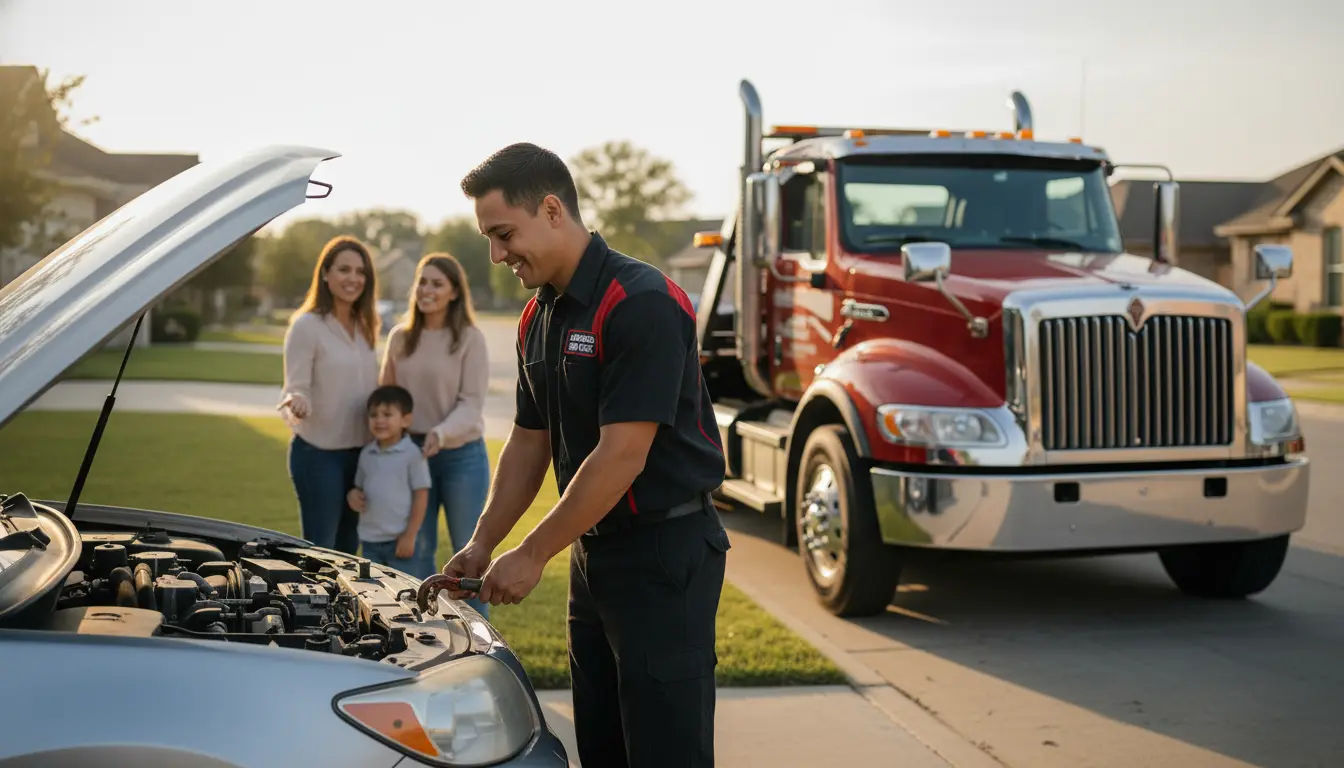
Contrary to popular belief, having a car break down near Texas State University is not an uncommon occurrence, particularly given the heavy commuter traffic along the I-35 corridor and the dense student housing areas surrounding the campus. In fact, the unique combination of Texas Hill Country terrain and extreme summer heat contributes to frequent tire blowouts and battery failures, making professional, rapid-response towing a critical service in the San Marcos area. San Marcos Towing Service, as the premier towing and recovery provider in the region, understands the importance of safe and efficient vehicle recovery. With their team of certified technicians and state-of-the-art equipment, they are equipped to handle even the most complex recovery situations.
The importance of professional towing cannot be overstated, especially in an area like San Marcos where the roads can be treacherous and the weather unpredictable. Not only can improper towing damage a vehicle further, but it can also pose a significant risk to the safety of the vehicle’s occupants and other road users. By choosing a reputable and experienced towing service like San Marcos Towing Service, vehicle owners can ensure that their vehicle is handled with care and that they receive the best possible service.
San Marcos Towing Service offers a range of services, including Breakdown Towing, Roadside Assistance, and Winch-Out Services, all of which are designed to get vehicles back on the road as quickly and safely as possible. Their team of experts is available 24/7 to respond to emergencies and provide assistance with everything from jump-starts and tire changes to heavy-duty towing and recovery.
Step-by-Step Towing and Recovery Process
The towing and recovery process typically begins with dispatch triage, where the towing service assesses the situation and determines the best course of action. This may involve sending a team of technicians to the scene, where they will conduct a safety assessment and calculate the load to ensure that the vehicle can be safely transported. The technicians will then rig and hook up the vehicle, taking care to protect the drivetrain and other sensitive components.
Once the vehicle is secured, the technicians will transport it to a safe location, where it can be repaired or stored. Throughout the process, the technicians will take every precaution to ensure the safety of the vehicle and its occupants, as well as other road users. This may involve using hydraulic flatbeds, nylon V-straps, J-hooks, and skates/dollies to secure the vehicle and protect it from damage.
In the San Marcos area, the towing and recovery process can be particularly challenging due to the unique terrain and weather conditions. The Texas Hill Country roads can be narrow and winding, making it difficult to navigate large vehicles, while the extreme summer heat can cause tires to blow out and batteries to fail. San Marcos Towing Service is equipped to handle these challenges, with a team of experienced technicians and state-of-the-art equipment.
Data Comparison
When it comes to towing and recovery, there are several options available, each with its own advantages and disadvantages. The following table compares two common methods: Flatbed Towing and Wheel-Lift Towing.
| Feature/Metric | Flatbed Towing | Wheel-Lift Towing |
|---|---|---|
| Drivetrain Protection | Excellent | Good |
| Ideal Vehicle Type | Large trucks and SUVs | Smaller vehicles |
| Clearance Requirements | High | Low |
Source: TRAA Vehicle Recovery Guide
Expert Insights
As a certified towing and recovery specialist, it’s essential to be aware of the potential risks and challenges involved in the process. Here are three advanced professional tips for safe and efficient towing: first, always engage the neutral override when towing a vehicle to prevent damage to the transmission; second, use hazard communication to alert other road users to the presence of a towed vehicle; and third, never attempt to tow a vehicle that is damaged or unstable, as this can pose a significant risk to safety.
Additionally, there are several common mistakes that stranded motorists make when attempting to recover their vehicles. These include using improper recovery points with chains, which can cause damage to the vehicle’s frame or suspension, and staying inside a vehicle that is exposed to active traffic lanes, which can pose a significant risk to safety. By being aware of these potential risks and taking the necessary precautions, motorists can ensure a safe and efficient recovery process.
Pricing
The cost of towing and recovery services can vary depending on several factors, including the type of vehicle, the distance to be towed, and the level of service required. Here are some typical pricing structures:
- Base hook-up fee: $50-$100
- Per-mile transport rate: $2-$5 per mile
- Fixed rate for specific services: $20-$50 for jump-starts and tire changes
Factors that can influence the cost of towing and recovery include off-road winching/recovery, heavy-duty vs. light-duty towing, after-hours dispatch, and special handling for exotic/low-clearance vehicles.
Safety and Standards
Safety is a top priority in the towing and recovery industry, and San Marcos Towing Service is committed to meeting the highest standards of safety and quality. The company is certified by the TRAA and complies with all relevant state and federal regulations, including those related to vehicle recovery and transportation.
The company’s technicians are trained to the highest standards and use only the latest equipment and technology to ensure a safe and efficient recovery process. This includes high-visibility PPE and proper traffic control at accident scenes, as well as strict safety protocols for handling vehicles and equipment.
FAQs
What should I do if my car breaks down on the side of the road?
If your car breaks down on the side of the road, the first thing to do is to move to a safe location, away from traffic. Turn on your hazard lights and call a towing service, such as San Marcos Towing Service, for assistance. Do not attempt to repair the vehicle yourself, as this can pose a risk to your safety and the safety of other road users.
How long does the towing process typically take?
The length of time it takes to tow a vehicle can vary depending on several factors, including the distance to be towed, the type of vehicle, and the level of service required. On average, the towing process can take anywhere from 30 minutes to several hours, depending on the complexity of the situation.
What is the difference between flatbed towing and wheel-lift towing?
Flatbed towing involves loading the vehicle onto a flatbed truck, where it is secured and transported. Wheel-lift towing, on the other hand, involves lifting the vehicle by the wheels and towing it behind a truck. Flatbed towing is generally considered safer and more secure, as it does not involve lifting the vehicle by the wheels, which can cause damage to the suspension and steering systems.
Do I need to be present when my car is being towed?
It is not necessary to be present when your car is being towed, but it is recommended that you are available to provide information and answer any questions the towing technician may have. Additionally, it’s a good idea to take photos of your vehicle before it is towed, in case there are any disputes about damage or condition.
Professional Vehicle Recovery in San Marcos, TX
In conclusion, having a car break down near Texas State University can be a stressful and frustrating experience, but with the right towing and recovery service, it doesn’t have to be. San Marcos Towing Service is the premier towing and recovery provider in the San Marcos area, with a team of certified technicians and state-of-the-art equipment. By choosing San Marcos Towing Service, vehicle owners can ensure that their vehicle is handled with care and that they receive the best possible service. For more information, visit our blog or contact us directly to learn more about our services and pricing.