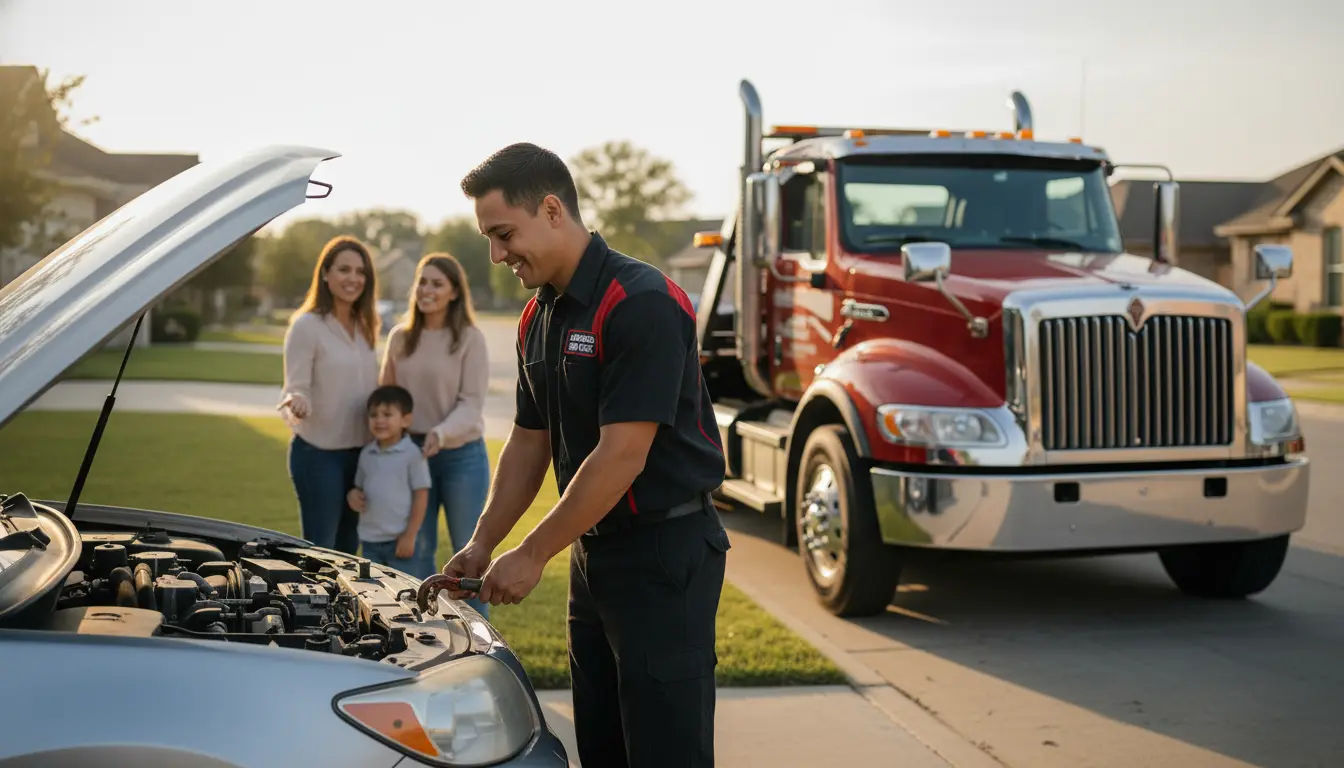
Towing a car safely from San Marcos to Austin requires a deep understanding of the complexities involved in vehicle recovery and transport. It is often confused with roadside assistance, but while both services are crucial for motorists, they serve distinct purposes. Roadside assistance typically involves fixing a vehicle on the spot, such as changing a tire or jump-starting a battery, whereas towing involves the physical transport of a vehicle from one location to another. In the context of towing from San Marcos to Austin, it’s essential to consider the unique challenges posed by the terrain, traffic conditions, and the distance between the two cities.
The journey from San Marcos to Austin, although relatively short, can be fraught with challenges, especially for a towed vehicle. The I-35 corridor, which connects these two cities, is known for its heavy commuter traffic and occasional roadwork, making the towing process more complex. Furthermore, the Texas Hill Country terrain, with its rolling hills and potential for extreme weather conditions, demands a towing service that is not only reliable but also equipped to handle such variables. For residents of Downtown San Marcos, understanding these nuances is crucial for ensuring that their vehicles are towed safely and efficiently.
Technical Process of Towing
The technical process of towing a car safely involves several critical steps, starting from the initial dispatch to the final delivery of the vehicle. The first step is the dispatch triage, where the towing service assesses the situation to determine the appropriate response. This includes identifying the type of vehicle, its location, and the reason for the tow. For example, if the vehicle is located in a densely populated area like Kyle or Buda, special care must be taken to navigate through traffic safely.
Once the vehicle is reached, a scene safety assessment is conducted to ensure that both the towing personnel and the vehicle are protected from potential hazards. This assessment is particularly important in areas prone to accidents, as outlined in the steps to follow after a car accident in San Marcos. The vehicle is then loaded onto the towing equipment, which could be a flatbed, wheel-lift, or a combination thereof, depending on the vehicle’s type and condition. A flatbed, for instance, is ideal for vehicles that have been in accidents or have suspension issues, as it provides a flat, stable surface for transport, minimizing further damage.
Choosing the Right Towing Equipment
Choosing the right towing equipment is crucial for safe and damage-free transport. For instance, a hydraulic flatbed is preferred for its ability to load vehicles with minimal risk of further damage. Nylon V-straps or chains are used for securing the vehicle, ensuring that it is tightly fastened to prevent movement during transport. The choice of equipment also depends on the vehicle’s weight and size, with heavier vehicles requiring more robust towing gear.
Data Comparison
When considering towing options, it’s helpful to compare different methods based on their suitability for various vehicle types and recovery situations. The following table highlights key differences between Flatbed Towing and Wheel-Lift Towing:
| Feature/Metric | Flatbed Towing | Wheel-Lift Towing |
|---|---|---|
| Drivetrain Protection | Excellent, as the vehicle is completely off the ground | Good, but may not be suitable for all-wheel-drive vehicles |
| Ideal Vehicle Type | All vehicles, especially those with low clearance or damage | Most vehicles, but less ideal for those with suspension or drivetrain issues |
| Clearance Requirements | No specific requirements, as the vehicle is loaded onto a flatbed | Depends on the wheel-lift equipment and vehicle height |
Source: Towing and Recovery Association of America (TRAA) Vehicle Recovery Guide
Expert Insights
For motorists, understanding how to prepare for a tow and what to expect during the process can significantly reduce stress and potential risks. One crucial tip is to ensure that the vehicle is in neutral and apply the parking brake once it is loaded onto the towing equipment. Additionally, keeping a basic emergency kit in the vehicle, including items like flashlights, first aid kits, and reflective triangles, can be invaluable in case of a breakdown. It’s also important to be aware of common mistakes, such as attempting to tow a vehicle with improper equipment or without ensuring that all loose parts are secured, which can lead to further damage or safety hazards.
Professional towing services, such as those provided by San Marcos Towing Service, play a critical role in ensuring that vehicles are recovered and transported safely and efficiently. By choosing a reputable and experienced towing company, motorists can minimize the risks associated with vehicle breakdowns and accidents. For more information on the services offered, including roadside assistance in San Marcos, and how to choose reliable towing, it’s advisable to consult their website or contact them directly.
Pricing and Cost Factors
The cost of towing a vehicle from San Marcos to Austin can vary based on several factors, including the distance, the type of vehicle, the time of day, and whether any special equipment is required. Base hook-up fees can range from $50 to $100, with per-mile rates typically between $2 to $5. For services that require more complex recovery operations, such as winching a vehicle from a ditch or using a flatbed for a low-clearance vehicle, additional costs may apply. It’s essential to discuss pricing and potential additional costs with the towing service before the tow to avoid any misunderstandings.
- Base hook-up fee: $50-$100
- Per-mile rate: $2-$5
- Special services (winching, flatbed): variable, dependent on complexity and equipment needed
Safety and Standards
Safety is paramount in the towing industry, and adhering to strict safety protocols and standards is essential for preventing accidents and ensuring the well-being of both the towing personnel and the motorists. The Towing and Recovery Association of America (TRAA) and the Department of Transportation (DOT) provide guidelines and certifications for towing services to ensure compliance with safety standards. San Marcos Towing Service, for example, prioritizes safety through the use of high-visibility personal protective equipment (PPE), proper traffic control measures at accident scenes, and regular training of its personnel to handle a variety of recovery scenarios safely and efficiently.
FAQs
What should I do if my vehicle breaks down on the highway?
If your vehicle breaks down on the highway, the first step is to ensure your safety. Move to a safe location, away from traffic, and turn on your hazard lights. Contact a professional towing service as soon as possible. It’s also advisable to have a roadside emergency kit in your vehicle, which should include essentials like a flashlight, reflective triangles, and a first aid kit. For more detailed advice on what to do in such situations, consider consulting resources like the top 5 emergency towing tips for San Marcos drivers.
How do I choose a reliable towing service in San Marcos, TX?
Choosing a reliable towing service in San Marcos, TX, involves several steps. First, look for services that are certified by reputable organizations such as the TRAA. Check online reviews and ask for referrals from friends or family members who have used towing services in the past. It’s also important to ensure that the service is properly insured and has a good safety record. For more detailed guidance, refer to the guide on how to choose reliable towing in San Marcos, TX.
What are the common reasons for needing towing services in Texas?
There are several common reasons for needing towing services in Texas, including vehicle breakdowns, accidents, running out of fuel, and getting stuck in mud or sand. Extreme weather conditions, such as heavy rain or intense heat, can also increase the likelihood of needing towing services. For a comprehensive list of reasons, consider the 7 common reasons for towing services in Texas.
Can I tow my vehicle myself, or is it better to hire a professional?
While it might be tempting to tow a vehicle yourself to save money, it’s generally recommended to hire a professional towing service. Professional tow truck operators have the training, equipment, and experience to safely tow vehicles, minimizing the risk of damage to the vehicle and ensuring the safety of all parties involved. Additionally, many vehicles, especially newer models, have complex systems that can be damaged by improper towing techniques. If you’re unsure about the best course of action, it’s always best to consult with a professional towing service.
Conclusion
In conclusion, towing a car safely from San Marcos to Austin requires a combination of the right equipment, professional expertise, and adherence to safety standards. By understanding the technical process of towing, the importance of choosing the right towing equipment, and the factors that influence pricing, motorists can make informed decisions in case of a vehicle breakdown or accident. San Marcos Towing Service, with its commitment to safety, reliability, and customer satisfaction, stands out as a premier choice for towing needs in the San Marcos, TX, area. Whether you’re in need of emergency towing or simply looking for reliable roadside assistance, their team is dedicated to providing the highest level of service. For any towing or recovery needs, don’t hesitate to contact San Marcos Towing Service for professional, safe, and efficient vehicle recovery.