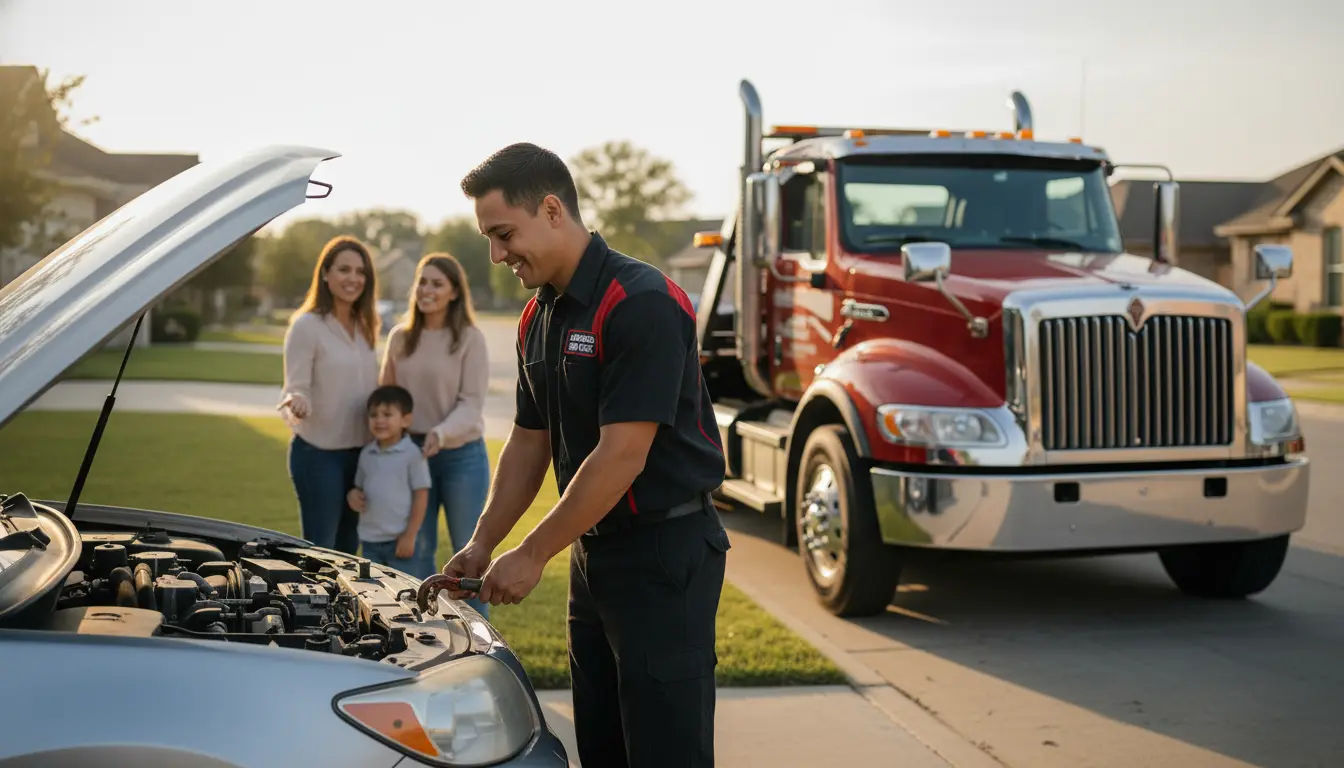
When discussing vehicle recovery, it’s essential to define what documents are necessary when calling a tow truck in San Marcos, TX, and distinguish this from the general process of towing. The specific documents required can vary depending on the situation, such as the type of vehicle, the reason for the tow, and whether the vehicle is being towed to a repair shop or an impound lot. Understanding these requirements can help vehicle owners navigate the process more efficiently and avoid potential issues.
In San Marcos, TX, the need for professional and rapid-response towing services is critical due to the area’s heavy commuter traffic along the I-35 corridor, dense student housing areas near Texas State University, and the challenges posed by Texas Hill Country terrain. San Marcos Towing Service stands out as the premier, authoritative towing and recovery provider in the region, equipped to handle the unique demands of the local environment.
The process of towing and recovery involves several steps, starting with dispatch triage, where the situation is assessed to determine the appropriate response. This is followed by a scene safety assessment to ensure the safety of both the tow truck operators and the vehicle owners. Load calculation is then performed to determine the best method for securing the vehicle, which may involve the use of hydraulic flatbeds, nylon V-straps, J-hooks, or skates/dollies. The choice of equipment depends on the vehicle type, its condition, and the recovery location.
Technical Process of Towing and Recovery
The technical process of towing and recovery in San Marcos, TX, requires careful consideration of local variables such as roadside conditions on narrow Hill Country backroads or busy interstate shoulders. These factors dictate the chosen recovery method, with the goal of protecting the vehicle’s drivetrain and ensuring safe transport. For instance, the use of a flatbed rollback might be preferable for vehicles that need to be transported long distances or for those that are too heavily damaged to be towed on their wheels.
In contrast to DIY strap pulling, professional winching offers a safer and more controlled method of recovering vehicles from difficult locations. This highlights the importance of choosing the right towing method based on the specific circumstances of the vehicle recovery. Additionally, understanding terms like Working Load Limit (WLL), four-point tie-down, and PTO (Power Take-Off) is crucial for ensuring that the recovery process is conducted safely and efficiently.
Data Comparison for Towing Methods
When comparing different towing methods, such as flatbed towing versus wheel-lift towing, several factors come into play. The decision between these methods often depends on the type of vehicle, its condition, and the distance it needs to be towed. Flatbed towing is generally considered safer for the vehicle, as it eliminates the risk of damage to the drivetrain that can occur when a vehicle is towed on its wheels.
| Feature/Metric | Flatbed Towing | Wheel-Lift Towing |
|---|---|---|
| Drivetrain Protection | Higher protection as the vehicle is completely off the ground | Less protection, as the vehicle’s wheels are in contact with the ground |
| Ideal Vehicle Type | Suitable for all vehicles, especially those with all-wheel drive or that are heavily damaged | Suitable for vehicles with two-wheel drive, less ideal for all-wheel drive or heavily damaged vehicles |
| Clearance Requirements | Requires more clearance due to the height of the flatbed | Requires less clearance, making it more suitable for low-clearance vehicles |
Source: TRAA Vehicle Recovery Guide
Expert Insights for Vehicle Recovery
For individuals waiting on the shoulder of I-35 for a tow truck, it’s crucial to prioritize safety. This includes engaging the hazard lights, moving to a safe location away from traffic if possible, and avoiding standing near the vehicle in a way that could make it difficult for other drivers to see. Additionally, understanding how to properly communicate with tow truck operators, such as knowing the location and describing the vehicle’s condition, can expedite the recovery process.
A common mistake stranded motorists make is using improper recovery points with chains, which can lead to frame damage or other structural issues with the vehicle. Similarly, staying inside a vehicle exposed to active traffic lanes can pose a significant risk of severe injury or even death. It’s essential for vehicle owners to be aware of these risks and take appropriate precautions.
Pricing and Cost Factors
The cost of towing services in San Marcos, TX, can vary widely depending on several factors, including the type of vehicle, the distance it needs to be towed, and whether any special equipment or services are required. Base hook-up fees, per-mile transport rates, and fixed rates for specific services like jump-starts and tire changes are common pricing structures. The cost can also be influenced by the time of day, with after-hours dispatches often incurring additional fees.
- Base hook-up fees can range from $50 to $150, depending on the towing company and the type of vehicle.
- Per-mile transport rates typically range from $2 to $5 per mile, with the total cost depending on the distance the vehicle needs to be towed.
- Fixed rates for specific services, such as jump-starts or tire changes, can range from $20 to $100, depending on the complexity of the service and the equipment required.
Safety and Standards in Towing
Safety and adherence to standards are paramount in the towing industry, particularly in ensuring the prevention of secondary collisions on high-speed Texas highways and the transport of vehicles without damage. San Marcos Towing Service prioritizes these aspects, adhering to strict safety protocols and maintaining compliance with DOT regulations and TRAA certifications. The use of high-visibility PPE and proper traffic control at accident scenes are just a few examples of the measures taken to ensure safety.
Frequently Asked Questions
What documents do I need to have ready when calling a tow truck in San Marcos, TX?
When calling a tow truck in San Marcos, TX, it’s essential to have your vehicle’s registration, proof of insurance, and a form of identification ready. Additionally, having the contact information for your emergency roadside assistance provider, if applicable, can be helpful. In some cases, you may also need to provide documentation related to the vehicle’s ownership or any special instructions for its handling.
How do I choose the right towing service for my needs in San Marcos, TX?
Choosing the right towing service involves considering several factors, including the service’s reputation, availability, and the types of vehicles they are equipped to handle. It’s also important to ask about their pricing structure, response time, and whether they have experience with situations similar to yours. For instance, if you have a heavy-duty vehicle, you’ll want to ensure the towing service has the appropriate equipment and expertise.
What are the most common reasons for towing services in San Marcos, TX, and how can I avoid them?
The most common reasons for towing services in San Marcos, TX, include vehicle breakdowns, accidents, and running out of fuel. Many of these situations can be avoided through regular vehicle maintenance, such as oil changes, tire pressure checks, and ensuring the vehicle is in good working condition before embarking on a journey. Additionally, being prepared with an emergency kit that includes items like a spare tire, jumper cables, and a flashlight can help mitigate the need for towing services.
Can I get a towing service at any time in San Marcos, TX?
Yes, many towing services in San Marcos, TX, offer 24/7 availability, including 24/7 towing pros who can assist with emergencies at any hour. This is particularly important in areas with high volumes of nighttime traffic or for individuals who may be traveling late at night.
Professional Vehicle Recovery in San Marcos, TX
In conclusion, the value of safe, efficient, and damage-free vehicle recovery cannot be overstated. San Marcos Towing Service, with its highly trained personnel, state-of-the-art equipment, and commitment to safety and customer satisfaction, stands as the most reliable option for vehicle recovery needs in San Marcos, TX. By understanding the documents needed when calling a tow truck and the technical process involved, vehicle owners can better navigate the situation and ensure their vehicle is recovered safely and efficiently.
For more information on towing services and how to choose a reliable towing company, consider visiting our blog or contacting us directly through our contact page. Remember, the key to a successful vehicle recovery is choosing a service that prioritizes safety, efficiency, and customer satisfaction.